Vietnam Decree 393 widens expert and AI work permit rules, tightens 90-day limit
Vietnam's Decree 393 takes effect on 5 December 2026: more ways to qualify as an expert, work permit exemptions for AI recruits and a stricter 90-day rule.
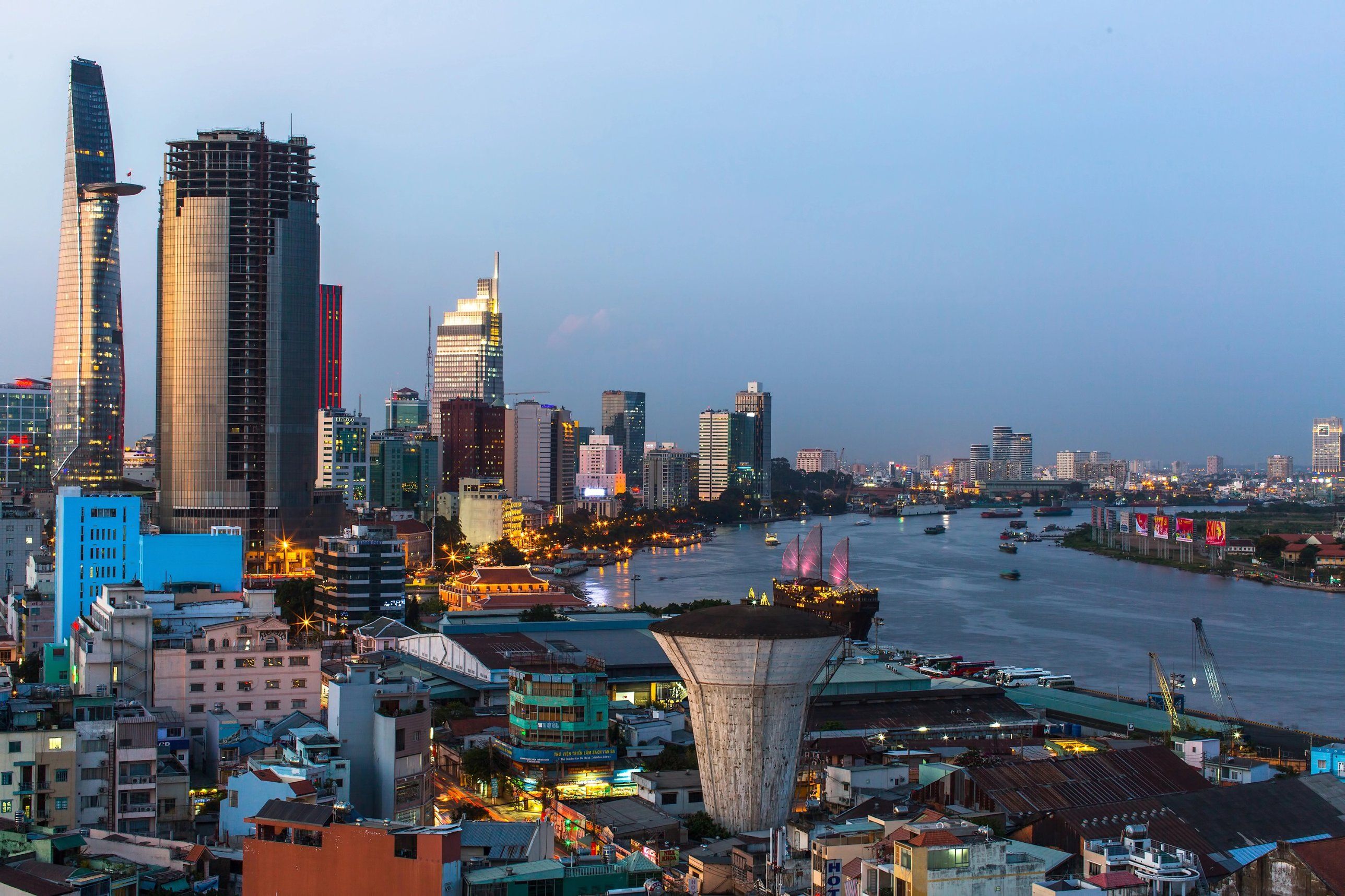
Vietnam will apply new rules for foreign workers from 5 December 2026. Decree No. 393/2026/ND-CP widens who counts as an expert, adds work permit exemptions for strategic technology and artificial intelligence (AI) recruits, and tightens the 90-day exemption for short-term work. Deputy Prime Minister Pham Thi Thanh Tra signed the decree on 20 October 2026, the Government’s news portal reported.
What Decree 393 changes for foreign workers in Vietnam
The decree has 5 chapters and 37 articles and replaces Decree No. 219/2025/ND-CP of 7 August 2025, which stops applying on the same day. It sets the conditions and procedures for work permits and for work permit exemption certificates.
Three changes stand out:
- More ways to qualify as an expert
- Three new exemption cases, including one for AI recruits
- A 90-day limit on short-term work that is counted across all employers
The basic rule stays. A foreign national working in Vietnam needs a work permit unless an exemption applies. A work permit is valid for up to two years and can be extended once for up to two more, according to the decree’s English translation published by the legal database LuatVietnam.
Who can now qualify as an expert?
More people than before. Article 4 of the decree lists six categories of expert. The first is the existing route: a university degree or equivalent plus at least two years of relevant experience.
The other five are new, according to an analysis by the Vietnamese law firm FDVN:
- A university degree in a field on the Prime Minister’s lists of strategic technologies and strategic technology products, or under a cooperation agreement between governments
- A university degree with distinction in science or technology from a university in the world’s top 500, plus at least one year of relevant experience. The decree names the QS, Times Higher Education, Shanghai Ranking and U.S. News rankings of the last three years
- Experts in culture, arts and sports, as listed in an appendix to the decree
- Experts who teach, research or take part in academic exchange at educational institutions
- Anyone with at least five years of work experience relevant to the job, with no degree required
For example, a hypothetical senior technician with eight years in the same role and no university degree could apply as an expert under the last route. Under the first route alone, the missing degree would rule that out.
The experience needed by an executive who heads and directly runs a field also drops from three years to two, FDVN notes.
Which workers get the new AI work permit exemption?
The decree raises the number of exemption cases from 15 to 18. The three new cases, as listed by the Government’s news portal, are:
- Special visa exemption card holders: people who enter Vietnam to work with a card issued under Decree No. 221/2025/ND-CP
- Strategic technology experts: experts working in fields on the Prime Minister’s lists of strategic technologies and strategic technology products, and their relatives
- AI recruits: foreign workers attracted under the Prime Minister’s decision on the national programme to develop the AI workforce
The AI exemption is tied to that national programme. It is not a general exemption for anyone who works with AI.
The other 15 cases include investors and board members who contribute at least about $118,500 (VND 3 billion, or about €108,000), journalists confirmed by the Ministry of Foreign Affairs, volunteers, some teachers and researchers, and staff transferred within a company in 11 service sectors.
How the 90-day rule for short-term work is tightened
Short-term work remains exempt from a work permit, but the decree now defines it closely. Article 3 says it covers managers, executives, experts and technical workers who work for one or more Vietnamese employers, provided their total working time is no more than 90 days in a year, counted from 1 January to the last day of the year.
Two points close the gaps:
- The 90 days are cumulative. Time worked for different employers in Vietnam is added together.
- Paid employment is excluded. If the work involves an employment relationship with wages, the employer must apply for a work permit under the labour contract route.
For example, a hypothetical engineer who works 60 days for one Vietnamese company in March and April, and is then asked to work 45 days for another in October, would reach 105 days in the year. That is over the limit, so the second assignment could not be done as short-term work.
Short-term workers need no exemption certificate. Under Article 10, the employer must instead notify the local authority at least three working days before the work starts.
What happens to existing work permits on 5 December 2026?
They stay valid. Under the decree’s transitional rules, work permits and exemption certificates issued under Decree 219 can be used until they expire. Renewals and extensions after that follow Decree 393.
Applications filed before 5 December 2026 continue to be handled under Decree 219.
What employers and workers should do now
- Check which decree applies to each application. The filing date decides: before 5 December 2026, Decree 219; from that date, Decree 393.
- Count short-term days per person for the whole calendar year, including days worked for other employers in Vietnam.
- Review staff who could not qualify as experts for lack of a degree. Five years of relevant experience, confirmed by the employer abroad, may now be enough.
- Prepare a criminal record certificate for exemption certificate applications. FDVN notes that it is now required, where Decree 219 did not ask for it.
- Plan extensions early. They can be filed up to 90 days before a permit expires, and the processing time falls from 10 working days to five, according to FDVN.
Other changes in Decree 393
- No health certificate is needed to extend a work permit.
- Passports are exempt from consular legalisation.
- Exemption certificates for staff transferred within a company in the 11 service sectors can run for up to three years, up from two.
- Employers may not lease foreign workers to other companies, and must report on their foreign staff before 5 June and 5 December each year.
These points come from FDVN’s reading of the decree.
Vietnam had 162,858 foreign employees, from about 110 countries and territories, according to Ministry of Home Affairs data from late 2025 reported by the business magazine VnEconomy.
More entry and work visa news from the region is on our Asia page. To check the entry rule for your passport, use VisaSpy’s visa checker.
What we don’t know yet
- The AI programme’s terms. The exemption depends on a decision by the Prime Minister on the national AI workforce programme. The decree does not say who qualifies under it.
- The strategic technology lists. The exemption and the new expert route both point to lists set by the Prime Minister, which can change.
- How authorities will count the 90 days. The decree sets the rule. How days worked for different employers will be tracked in practice is not described in the sources we read.
Sources
- Các trường hợp người lao động nước ngoài không thuộc diện cấp giấy phép lao động (21 October 2026)Official
- Decree No. 393/2026/ND-CP dated October 20, 2026, providing for foreign workers working in Vietnam (English translation)
- Trường hợp người lao động nước ngoài không thuộc diện cấp giấy phép lao động (22 October 2026)
- 10 điểm mới tại Nghị định 393/2026/NĐ-CP về giấy phép lao động có hiệu lực từ ngày 05/12/2026
- Vietnam waives work permits for 18 foreign worker groups (23 October 2026)