Philippines DFA extends 14-day visa-free entry for Chinese tourists and business visitors
The Philippines has extended 14-day visa-free entry for Chinese tourists and business visitors until January 15, 2028, at Manila and Cebu airports only.
The Philippines has extended its 14-day visa-free entry for Chinese tourists and business visitors by one year, until January 15, 2028. The Department of Foreign Affairs (DFA) announced the extension in a statement reported on November 23, 2026, by Philippine outlets including the broadcaster GMA News. We could not open the statement on the DFA’s own website, so this story relies on Philippine news reports of it.
What the DFA extended, and until when
The visa-free privilege for Chinese nationals was due to end in January 2027. It now runs for another year, from January 16, 2027, to January 15, 2028, according to The Chronicle, a Philippine news site.
The terms stay the same:
- a stay of up to 14 days
- for tourism or business only
- no extension of the 14 days
- no conversion to any other Philippine visa category
The DFA said the extension follows President Ferdinand Marcos Jr.’s directive to increase international tourist arrivals and investment, while keeping immigration and national security safeguards in place, GMA News reported.
Who can enter the Philippines visa-free under this rule?
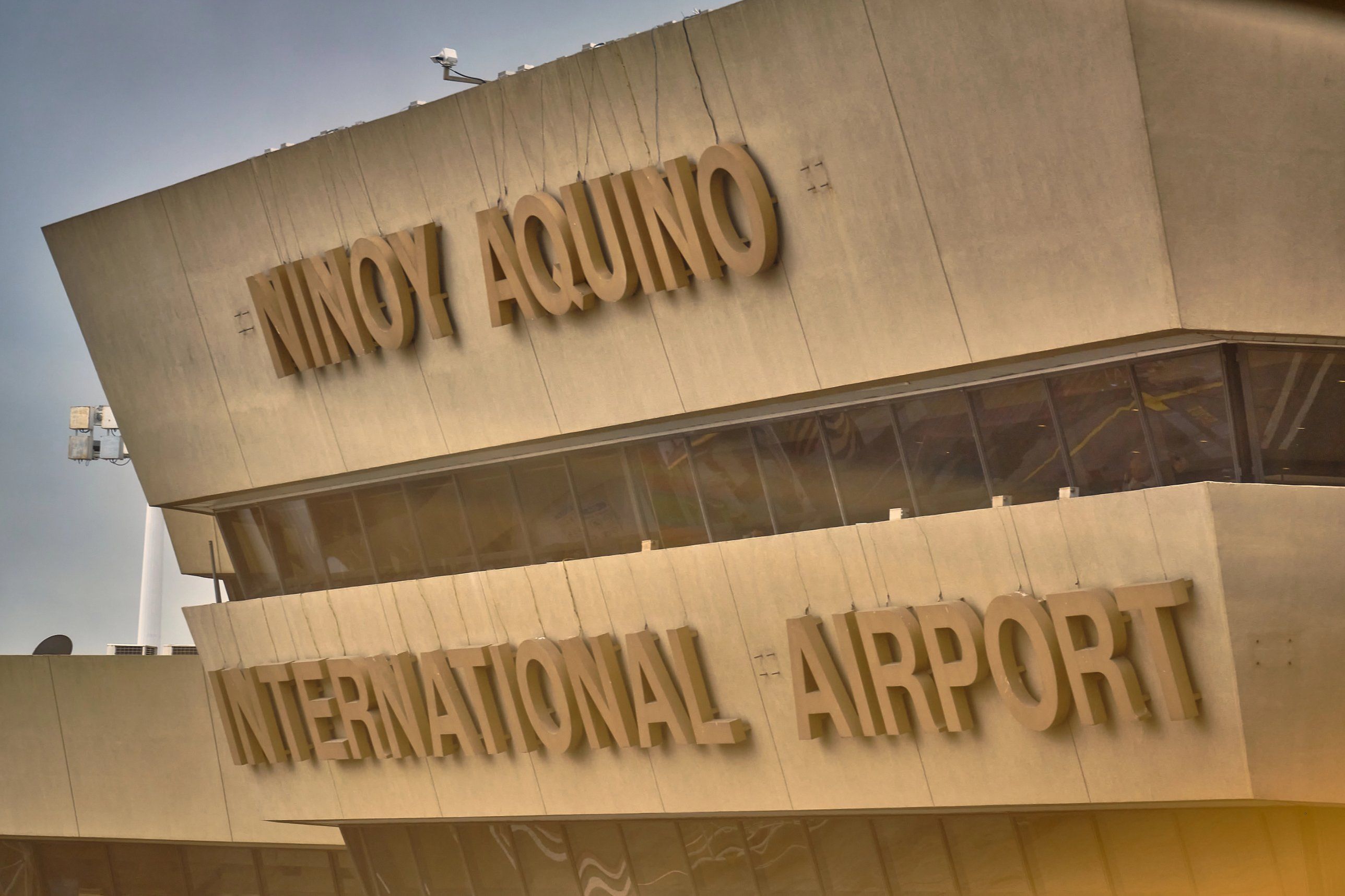
Chinese nationals traveling for tourism or business who arrive at one of two airports:
- Ninoy Aquino International Airport (NAIA) in Metro Manila
- Mactan-Cebu International Airport (MCIA) in Cebu
A Chinese traveler arriving anywhere else needs a visa. For example, a hypothetical tourist from Shanghai who lands in Cebu on January 20, 2027, could stay visa-free for up to 14 days. The same tourist on a flight to another Philippine airport would need a visa before traveling.
What documents do Chinese travelers need?
According to the reports of the DFA statement, travelers must have:
- a passport valid for at least six months beyond the intended stay
- a confirmed hotel booking
- a return or onward ticket
- a completed eTravel registration
- no derogatory record with the Bureau of Immigration
Visa-free entry is not automatic. Admission remains subject to inspection by the Bureau of Immigration, including identity verification, watchlist checks and a risk-based assessment, GMA News reported.
Do transit passengers qualify?
No. Chinese nationals who pass through the Philippines on the way to a third country must get the appropriate Philippine transit visa before they travel, the reports say.
What Chinese travelers should do now
- Trips before January 16, 2027: nothing changes. The current visa-free period covers them.
- Trips in 2027: book flights that arrive in Manila or Cebu. Other airports are not covered.
- Stays longer than 14 days, or trips for work or study: apply for a visa. The visa-free stay cannot be extended or changed after arrival.
- Before flying: complete the eTravel registration and keep the hotel booking and onward ticket at hand.
Other passports have their own rules for the Philippines. Our visa checker shows the usual requirement for each one.
Background: a measure launched in January 2026
The Philippines launched 14-day visa-free entry for Chinese nationals in January 2026, the Daily Tribune reported. The extension adds a second year.
The newspaper reported that the policy has brought about 400,000 Chinese visitors to the Philippines in less than a year. It did not name the source of that figure. It also said China ranked sixth among the country’s sources of foreign tourists in 2025, with 262,144 arrivals.
China has a temporary visa-free policy of its own, for 48 countries, that ends on December 31, 2026. See our report on the visa exemptions that expire at the end of the year, and more stories in our visa-free deals section.
What we don’t know yet
- The official text. The DFA’s website did not open for us, so the wording and any circular number come from news reports.
- Sea arrivals. The reports name two airports and do not mention seaports or cruise passengers.
- After January 15, 2028. The extension is for one year. Nothing has been said about what follows.