Singapore speeds border procedures, cruise industry urges harmonized Asia visa
Singapore says automation sped up cruise border procedures. Cruise executives want a harmonized Asia visa like Europe's Schengen visa. Nothing is agreed.
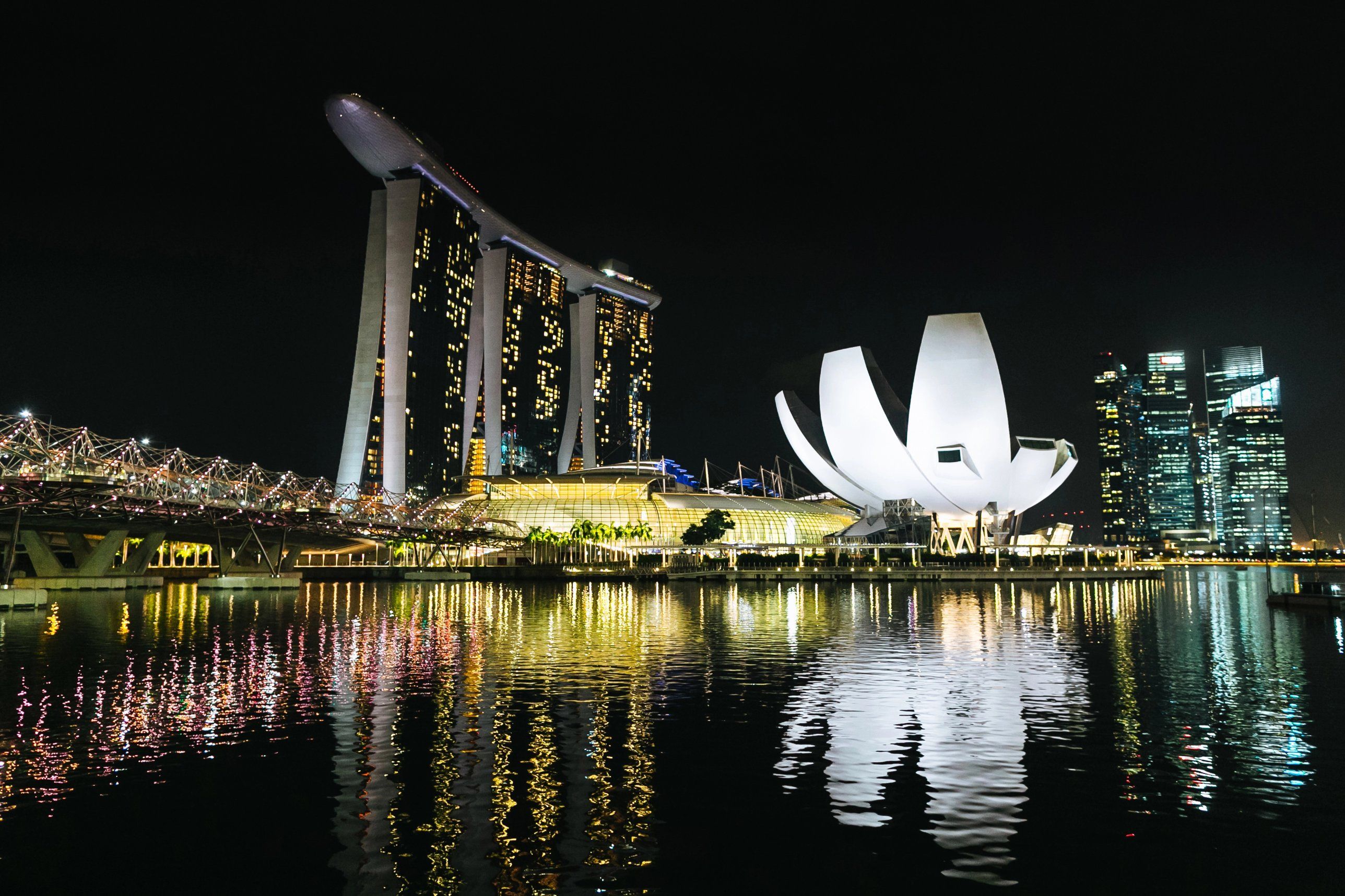
Singapore says automated clearance has sped up its border procedures for cruise passengers, and cruise industry executives want Asian governments to go further with a harmonized visa. Both points were made at the Seatrade Cruise Asia conference in Kuala Lumpur, Malaysia, on November 17, 2026, the travel trade publication TTG Asia reported. The visa is a request from the industry. No government has agreed to it, and nothing changes for travelers now.
What the cruise industry asked for in Kuala Lumpur
The requests were made during a panel on customs, immigration and quarantine procedures. According to TTG Asia and Seatrade Cruise News, three executives each put forward a different fix:
- A harmonized visa. Wen Ciu Lee Koo, head of Asia-Pacific at Intercruises Shoreside & Port Services, called for a harmonized visa system across Asia, similar to Europe’s Schengen visa, to simplify cruises that visit several countries.
- Transit treatment. Brad Coyne, director of port services for Asia-Pacific at Royal Caribbean Group, proposed wider use of the transit provisions that already exist in national laws. Passengers who go ashore for a few hours and return to their ship would be processed as transit passengers.
- Passenger data in advance. Paul Mifsud, senior director of port operations for Asia-Pacific at Carnival, suggested sending passport and passenger details to the authorities before a ship arrives. Checks could then be done ahead of time, with closer attention on the passengers who need it.
Mifsud also cautioned that no single technology or procedure would suit every port in the region, TTG Asia reported.
Is a Schengen-style visa for Asia planned?
No. It was a wish expressed by one speaker, and neither report mentions a government proposal, a draft agreement or a timetable.
The Schengen visa lets a visitor travel across the countries of Europe’s Schengen area on one visa. Asia has nothing similar for cruise passengers: each country on an itinerary applies its own rules.
Why visa and border procedures are a problem for cruises in Asia
A single cruise can call at several countries in a week, and each may ask for something different.
Lee Koo said the mix of e-visas, transit visas and visas on arrival adds work for cruise lines and their partners on shore, and can cut the time passengers spend ashore.
The checks themselves also differ. Coyne said some authorities accept passenger information in advance, while others require every passport to be physically presented and checked. He described collecting and sorting passports as labor-intensive on a ship that boards more than 5,000 guests.
What Singapore and Malaysia said they have changed
Two border officials on the panel described faster clearance in their own countries.
Singapore. Chiew Hua Phua, an assistant commissioner at the Immigration & Checkpoints Authority (ICA), said Singapore cleared about 2 million cruise passengers in 2025, up 8.5% from 2024. Numbers from January to October 2026 were 33% higher than a year earlier, TTG Asia reported. He said adding manual counters or officers was not sustainable.
Singapore’s answer is what ICA calls its New Clearance Concept. An ICA statement of May 8, 2026 describes it as moving clearance from manual counters to automated lanes, using biometrics and a risk assessment made before arrival. Clearance without presenting a passport, by face and iris scan, is in place at the Marina Bay cruise terminal for Singapore residents and departing foreign travelers. Chiew said the approach had improved processing by up to 40%.
Malaysia. Nik Ezanee Mohd Faisal, the Port Klang entry control commander at the Malaysian Border Control and Protection Agency, said clearance at Port Klang Cruise Terminal used to take up to an hour and now takes about 10 minutes. He credited closer work with the terminal operator, standardized immigration procedures and better facilities.
He said a review will be held in February 2027, after the cruise season, to collect feedback and find further improvements. Seatrade Cruise News reported that his next priority is clearing passengers before they reach immigration.
What cruise passengers in Asia should do now
Nothing has changed, so the usual steps apply:
- Check the entry rule for every port of call, including short stops. A passport that enters one country visa-free may need an e-visa or a visa on arrival at the next.
- Follow the cruise line’s instructions on visas and on handing over passports, and allow time for both.
- Look again shortly before sailing. Rules in the region do change: see our report on Malaysia ending visa-free entry for Indian travelers.
Our visa checker shows the usual requirement for each passport and destination.
What we don’t know yet
- Whether any government will take up the idea of a shared cruise visa. None is reported to have responded.
- Which countries might accept passenger data in advance or treat cruise passengers as transit passengers.
- What Malaysia’s review in February 2027 will change at Port Klang or at other ports.