India renames Tourist Visa 'Visitor Visa' with two new categories
India's Tourist Visa becomes the Visitor Visa, split into V-1 for 30-day trips and V-2 for one, five or 10 years. Visas will follow the new system by year-end.
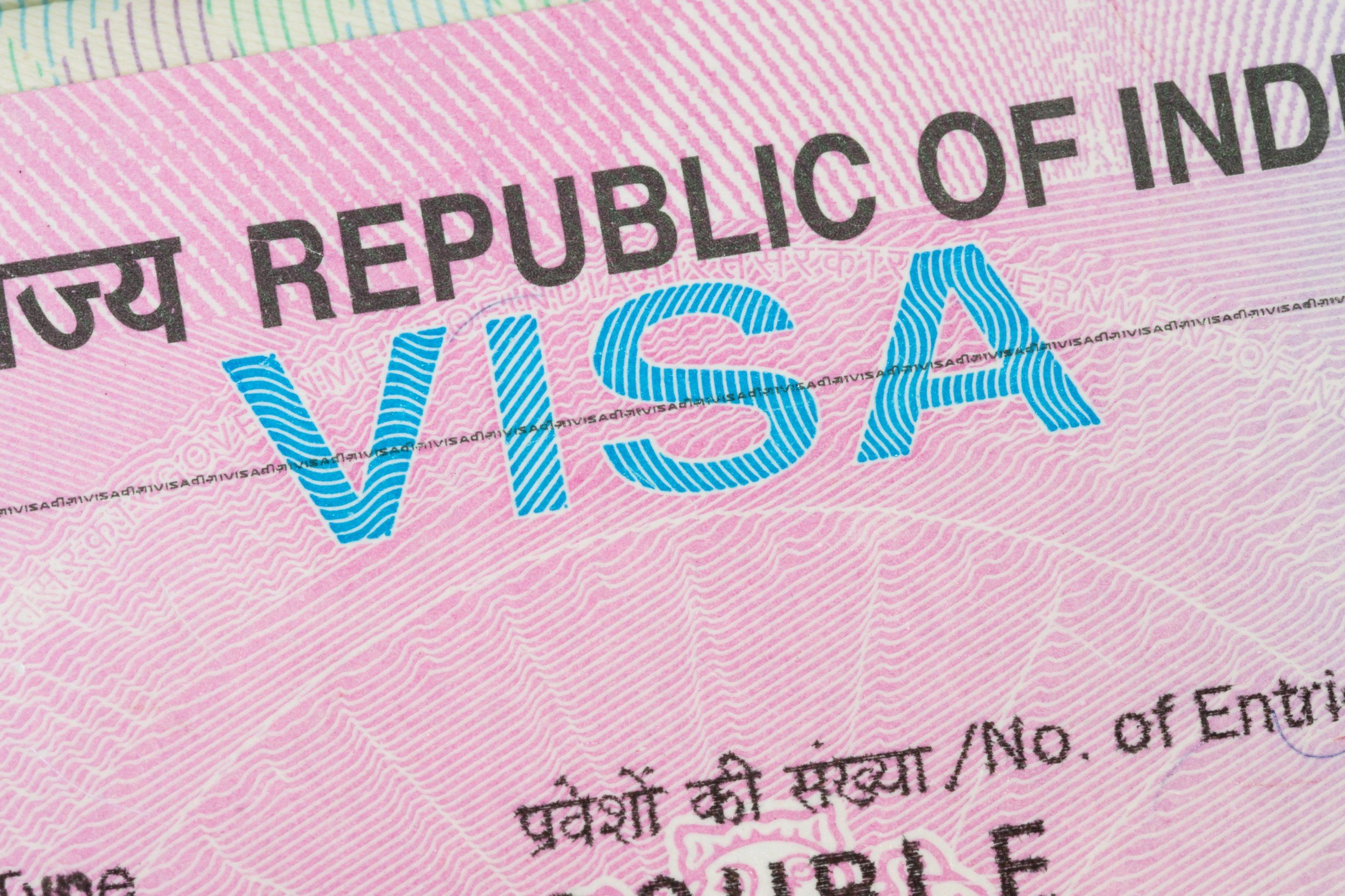
India’s Tourist Visa is being renamed the Visitor Visa and split into two new categories, V-1 and V-2. The change is part of a wider reorganisation of India’s visas announced by the Ministry of Home Affairs.
The ministry set out the details in a press release published on 11 November 2026. It said visas will be granted under the new system by the end of 2026.
What is India’s new Visitor Visa?
It is the new name for the Tourist Visa. The ministry said the name reflects “a broader range of permitted purposes beyond conventional tourism”.
The Visitor Visa has two sub-categories, so that applicants can choose one that fits the nature and length of their trip.
What is the difference between V-1 and V-2?
The difference is how long the visa lasts.
- V-1 is granted for 30 days, with multiple entries.
- V-2 is valid for one, five or 10 years, as specified on the visa.
According to the ministry, the V-1 covers these activities, and the V-2 covers them too:
- business meetings
- medical consultations
- wellness retreats
- short-duration medical treatment
- short-term courses in Indian languages, music, art and craft
The V-2 also covers mountaineering. Mountaineering visas are granted for six months, with multiple entries.
For example, under the system as the ministry describes it, a traveller planning a two-week holiday that includes a business meeting and a medical consultation could do all three on a V-1, without applying for separate visas.
When does the Visitor Visa start?
By the end of 2026, according to the ministry. It has not given an exact date.
The decision itself was taken on 27 August 2026. The ministry said it is now updating its IT systems, and that “by year-end, visas will be granted as per new rationalization”.
That wording means visas are still being issued under the existing categories for now.
Will existing Tourist Visas still be valid?
The ministry’s press release does not say. It does not mention visas that have already been issued, or applications that are in progress when the new system starts.
It also does not mention any change to visa fees.
Does the change affect India’s e-visa?
The press release does not say whether the e-Tourist Visa will be renamed or changed.
It says e-visas are currently processed under 13 sub-categories and are available to nationals of 172 countries. It names a few e-visa changes in other categories, including an e-visa for students enrolled through the Study in India portal and e-visa versions of two medical visas.
What else is changing in India’s visa system?
The Visitor Visa is one of nine main visa categories. On 27 August 2026, the ministry cut the main categories from 13 to nine and the sub-categories from 49 to 23. An earlier round, in October 2025, had cut the main categories from 22 to 13.
The nine categories are Business, Diplomatic, Work, Journalist, Medical, Official, Student, Visitor and Miscellaneous.
Among the other changes the ministry described:
- Medical visas: M-1 covers conventional treatment and M-3 covers AYUSH treatment, which is India’s term for its traditional systems of medicine. Both are granted for one year by default, with multiple entries.
- Student visas: S-1 covers school, graduate and postgraduate study. S-2 covers research scholars, interns and exchange students, among others.
- Business visas: B-1 covers long-term activities such as setting up a venture. B-2 covers short-term activities such as conferences, sports and film work.
- Application forms: the number of fields is being cut by 65 to 70% across all 23 sub-categories.
What should travellers do now?
The ministry has not announced any change that applies before the new system starts, so the Tourist Visa remains the category to apply for today. Travellers planning trips for 2027 should check the category names again before they apply.
VisaSpy’s visa checker shows whether a passport needs a visa for India, and our India page will carry updates.
What we don’t know yet
- The exact date the Visitor Visa replaces the Tourist Visa.
- Whether existing Tourist Visas keep their validity and conditions.
- Whether the e-Tourist Visa will be renamed, and whether its validity options change.
- Whether fees will change.
- The maximum length of each stay on a V-2 visa.